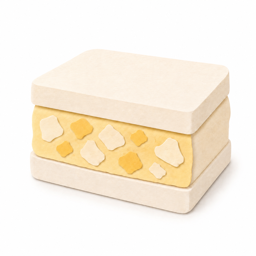
First Move
Look for たまごサンド in the refrigerated sandwich section and start with the classic version.
Quick steps
- Find たまごサンド in the refrigerated case.
- Start with the classic creamy version.

If You See or Hear This
Tamago sando
たまごサンド
It means: Egg sandwich.
Your move
This is the classic name to look for.
Tamago
たまご
It means: Egg.
Your move
Useful when scanning the sandwich labels.
Atsuyaki tamago
厚焼き玉子
It means: Thick Japanese omelet.
Your move
Expect a firmer, more omelet-like filling.
Dashimaki
だし巻き
It means: Rolled omelet made with dashi.
Your move
It may be softer and more savory than a typical egg sandwich.
Shoohi kigen
消費期限
It means: Use-by date.
Your move
Check this when buying refrigerated food.
If You’re Stuck
Stock varies by store and time of day. If the egg sandwiches are gone, try another convenience store or return later. Opening a second branch of your egg-sandwich investigation is a perfectly valid travel decision.
Tiny Culture Note
The egg sandwich shows how seriously Japanese convenience stores can take an ordinary food. There is no dramatic presentation or complicated eating method. The surprise is how much attention can fit between two very soft slices of bread.
Need to explain food needs?
If you have allergies or dietary restrictions, use a simple Japanese card before ordering.
Food needs
Create a food card for Japan
Show allergies, dietary needs, or ingredients to check before ordering.
No app needed
Save as image
Point-to-reply answers