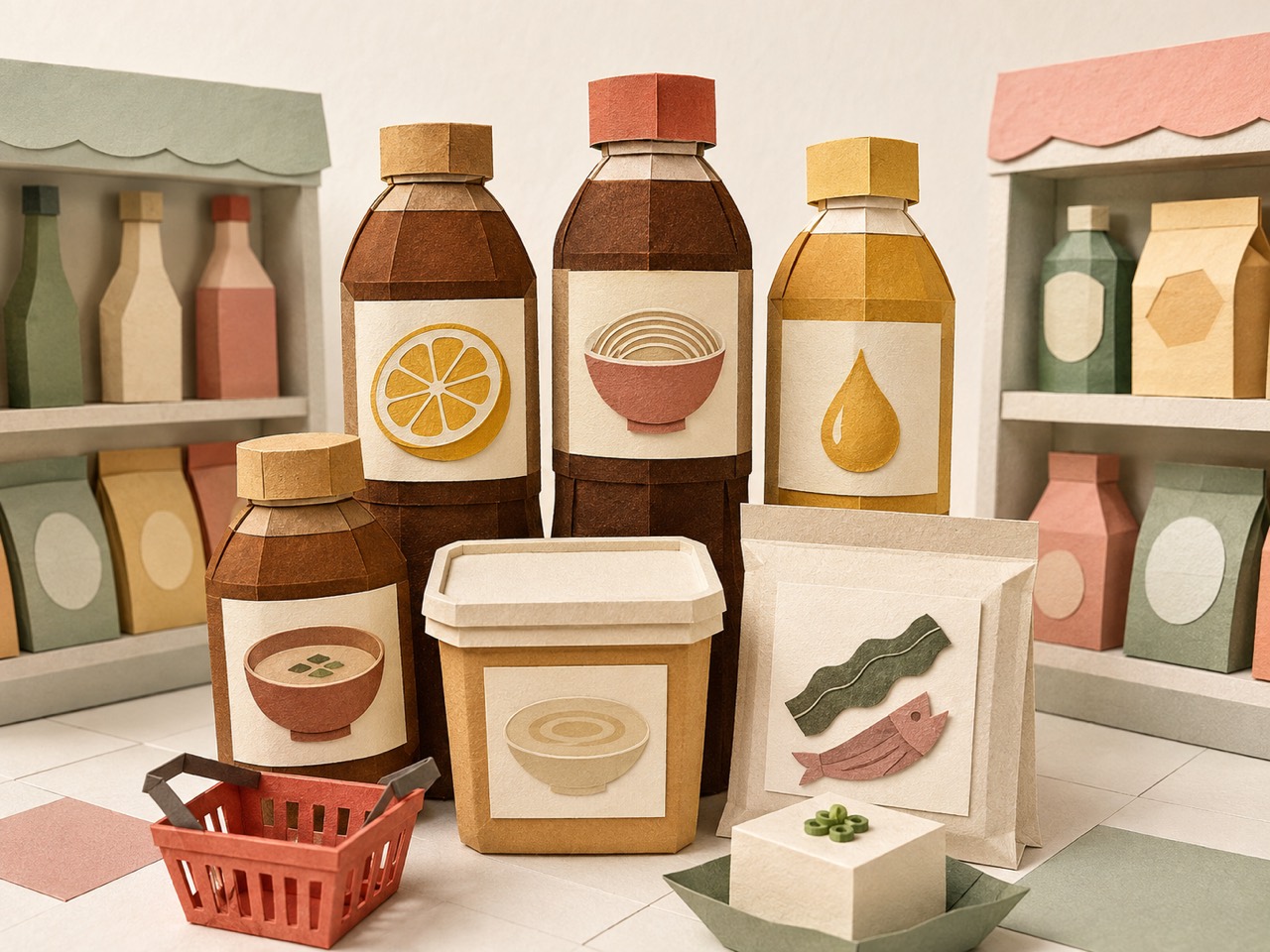
So many similar bottles—and that is part of the fun.
The seasoning aisle is where a Japanese supermarket can suddenly feel much more difficult.
Rows of bottles contain liquids in almost the same shade of brown. The labels say things like tsuyu, dashi, ponzu, and shirodashi. You may recognize some of the words and still have no idea what to buy.
But this aisle is also a collection of everyday Japanese flavors.
The broth from the noodles you had for lunch. The citrusy sauce served with tofu. The slightly sweet, glossy flavor of something in a bento. Many of the tastes you encounter during your trip are sitting here in ordinary bottles and little tubes.
You do not need to understand everything on the shelf. Start with a few seasonings you are likely to see again and again.
Quick tool
Which seasoning should I buy?
Choose what you want to do. Each answer gives you a small shortlist, with the easiest place to start clearly marked.
Eat in my hotel—no kitchen
Four easy hotel picks
Choose by what you are eating
- Ponzu ポン酢 Easiest start For chilled tofu, salad, chicken, fish, or vegetables. Pour a little and taste.
- Yuzu kosho 柚子胡椒 For prepared chicken, fish, oden, ramen, or soup. Start with a rice-grain-sized amount.
- Furikake ふりかけ Sprinkle directly over plain rice or a simple onigiri.
- Sesame dressing ごまドレッシング Use with salad, chilled tofu, cold noodles, vegetables, or prepared meat.
Check before buying: Ingredients may include soy, wheat, sesame, fish, egg, or dairy. Opened bottles and tubes may need refrigeration.
Make or eat noodles
Choose by noodle style
- Mentsuyu めんつゆ Easiest startFor soba, udon, or somen. Check whether it is straight or concentrated.
- Shichimi 七味唐辛子Shake a little over hot noodle soup for heat and aroma.
- Yuzu kosho 柚子胡椒Stir a tiny amount into ramen or udon broth.
- Sesame dressing ごまドレッシングTry it with cold noodles and salad-style toppings.
Cook something Japanese
A compact starter set
- Dashi packets だしパック Easiest startA simple base for soup, noodles, and simmered vegetables.
- Soy sauce 醤油Adds saltiness and depth; a small bottle is enough.
- Mirin みりんAdds gentle sweetness and shine to cooked dishes.
- Miso 味噌Use for soup, sauces, or vegetables; choose a small pack.
Check: Dashi and miso ingredients vary and may include fish, soy, wheat, or other allergens.
Add flavor to rice or onigiri
Three different directions
- Furikake ふりかけ Easiest startSprinkle directly over plain rice; flavors and allergens vary.
- Shichimi 七味唐辛子Add one light shake when you want dry heat and citrusy aroma.
- Yuzu kosho 柚子胡椒Use a tiny amount with chicken, fish, or vegetables served over rice.
Check: Furikake can include fish, seafood, egg, sesame, soy, wheat, or dairy.
Take home a small food souvenir
Small and easier to pack
- Shichimi 七味唐辛子 Easiest startSmall, dry, and useful with noodles, soup, grilled food, or rice.
- Furikake ふりかけLight packets with many regional flavors; sprinkle over rice.
- Yuzu kosho 柚子胡椒A small tube of citrus-and-chili flavor; mind carry-on liquid rules.
- Dashi packets だしパックDry, lightweight, and enough for several soups or noodle meals.
Before packing food: Check ingredients, storage instructions, airline liquid rules, and the customs rules for your destination.
This is a quick starting point. Always check the package for ingredients, allergens, storage instructions, and exact preparation directions.
Dashi is a flavor you have probably already tasted
Dashi can be difficult to describe if you do not already know what you are looking for.
But if you have been eating in Japan, you have probably tasted it many times.
It is behind the flavor of miso soup, udon, soba, simmered vegetables, and chawanmushi. It does not always announce itself. It simply helps everything taste more complete.
Dashi can be made with kombu, dried bonito, dried sardines, shiitake mushrooms, or a combination of ingredients. Each one brings a slightly different flavor.
At the supermarket, you will find dashi as powder, liquid concentrate, and tea-bag-style packets. You do not need to make a complicated traditional meal to use it. It can be added to a simple soup, noodles, or vegetables.
Dashi packets are also light and easier to pack than a bottle, making them a practical item to take home. Just check the ingredients carefully, as some products contain fish, wheat, soy, or other ingredients you may need to avoid.
There is more than soy sauce next to the soy sauce
Soy sauce is easy to recognize. The bottles standing beside it may look very similar, but some of them are even easier to use while traveling.
What to look for in the store
These are real package examples. Brands and designs vary, so match the large Japanese words first.
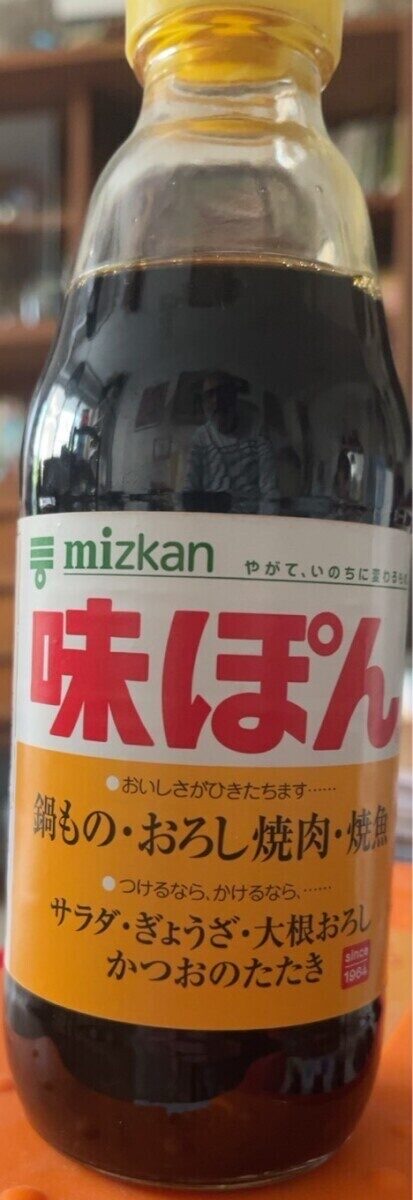
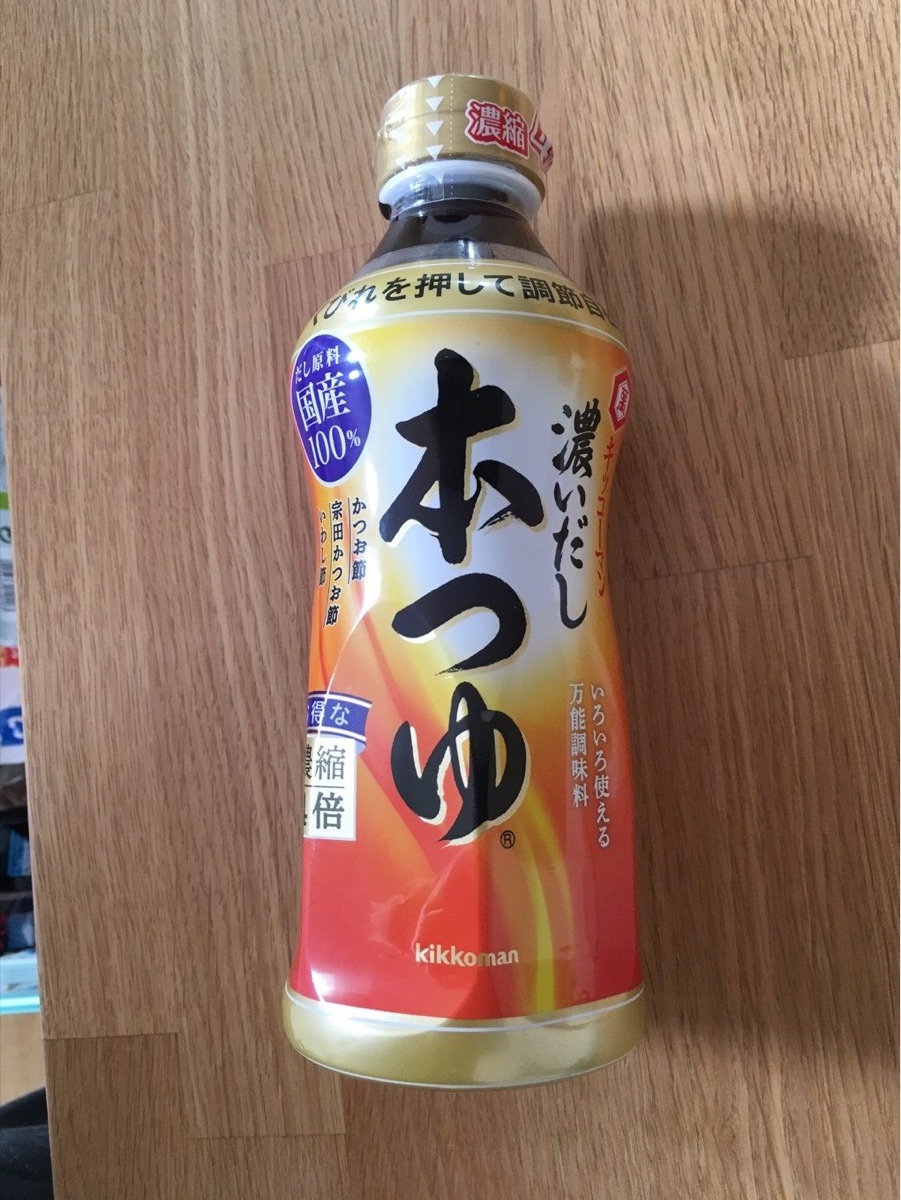
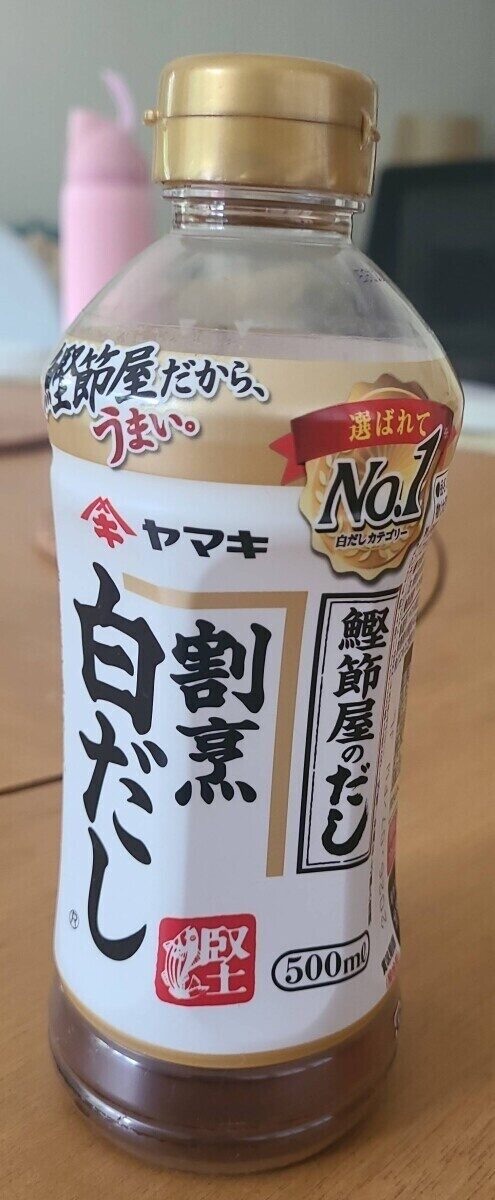
Package photos: ponzu, mentsuyu, and shirodashi via Open Food Facts (CC BY-SA 3.0); resized for display.
Ponzu
Ponzu is a refreshing, citrusy, soy-based sauce.
It is commonly used with hot pot, but it also works with tofu, salad, meat, fish, and vegetables.
A small bottle of ponzu is one of the easiest seasonings to try during your trip. Pour a little over chilled tofu or supermarket chicken, and you already have something different to eat at the hotel.
Mentsuyu
Mentsuyu is a concentrated soup base made for noodles such as soba, udon, and somen.
In Japanese homes, it is also used as a shortcut for simmered dishes, rice bowls, soups, and sauces. One bottle can do much more than its name suggests.
The important thing to check is the concentration.
Some products can be used directly. Others need to be diluted two, three, or four times. If you see a large number on the label, it is worth checking before you pour.
Otherwise, your first taste may be much stronger than expected.
Shirodashi
Shirodashi looks gentle because of its pale color.
That does not mean the flavor—or the salt level—is gentle. It is usually concentrated, and a small amount can be enough.
It is used when people want to add dashi flavor without making the dish dark, including soups, udon broth, chawanmushi, and lightly colored simmered dishes.
Mentsuyu and shirodashi can seem confusingly similar at first. You do not need to master the difference immediately. Finding both bottles on the shelf is already a small supermarket discovery.
Mirin and cooking sake are similar-looking bottles with different jobs
Mirin and cooking sake are usually placed close together, often in very similar bottles.
At first, it is not obvious why a kitchen would need both.
What to look for in the store
The clearest clue is the large product name, not the bottle color.
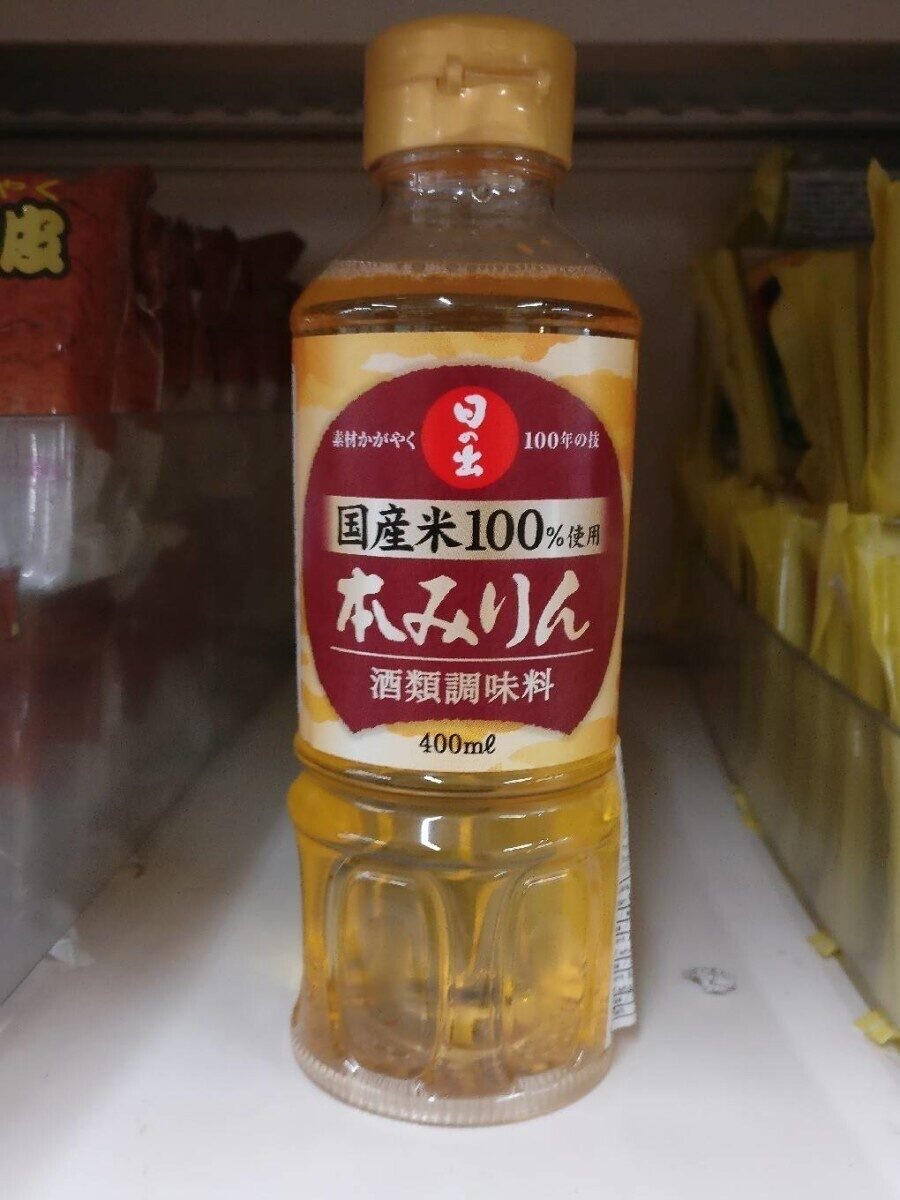
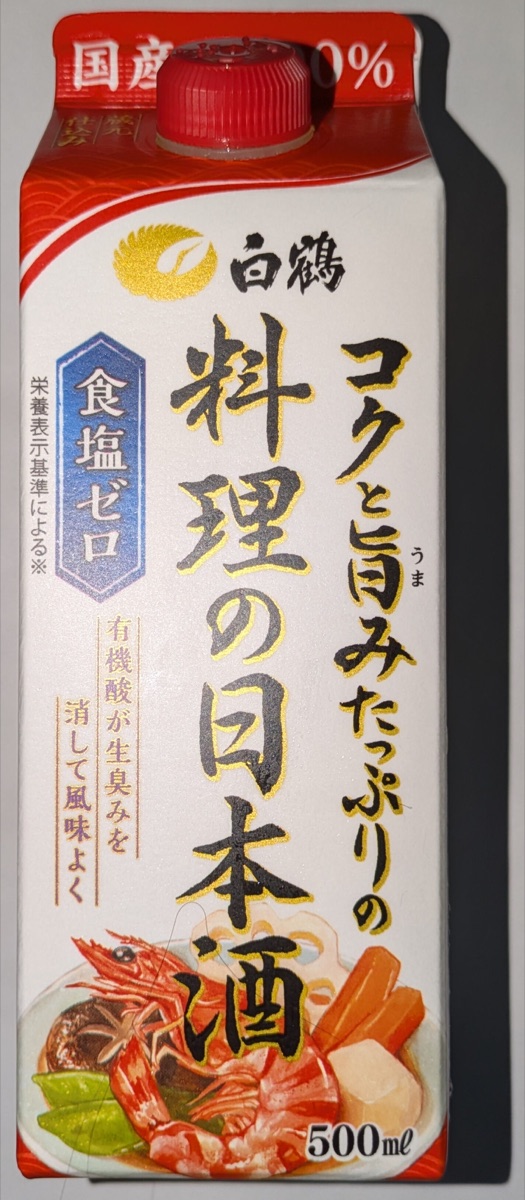
Package photos: mirin and cooking sake via Open Food Facts (CC BY-SA 3.0); resized for display.
Mirin brings gentle sweetness and a glossy finish. It is part of what gives teriyaki-style dishes their slightly sweet flavor and shine.
Cooking sake has a different role. It adds sake flavor and is often used with meat or fish to soften strong aromas.
If you are not planning to cook during your trip, you probably do not need to buy either one. Still, knowing the difference makes Japanese recipes—and the supermarket shelf—a little easier to understand.
Both may contain alcohol, and some cooking sake products contain added salt. Mirin-style seasonings with little or no alcohol are also available. If this matters to you, check the label rather than relying only on the name.
Even Japanese shoppers sometimes pause in front of the miso
Choosing miso is not always as simple as finding one package with the word miso on it.
What to look for in the store
Miso is often sold in a wide plastic tub. Look for the large character 味噌.
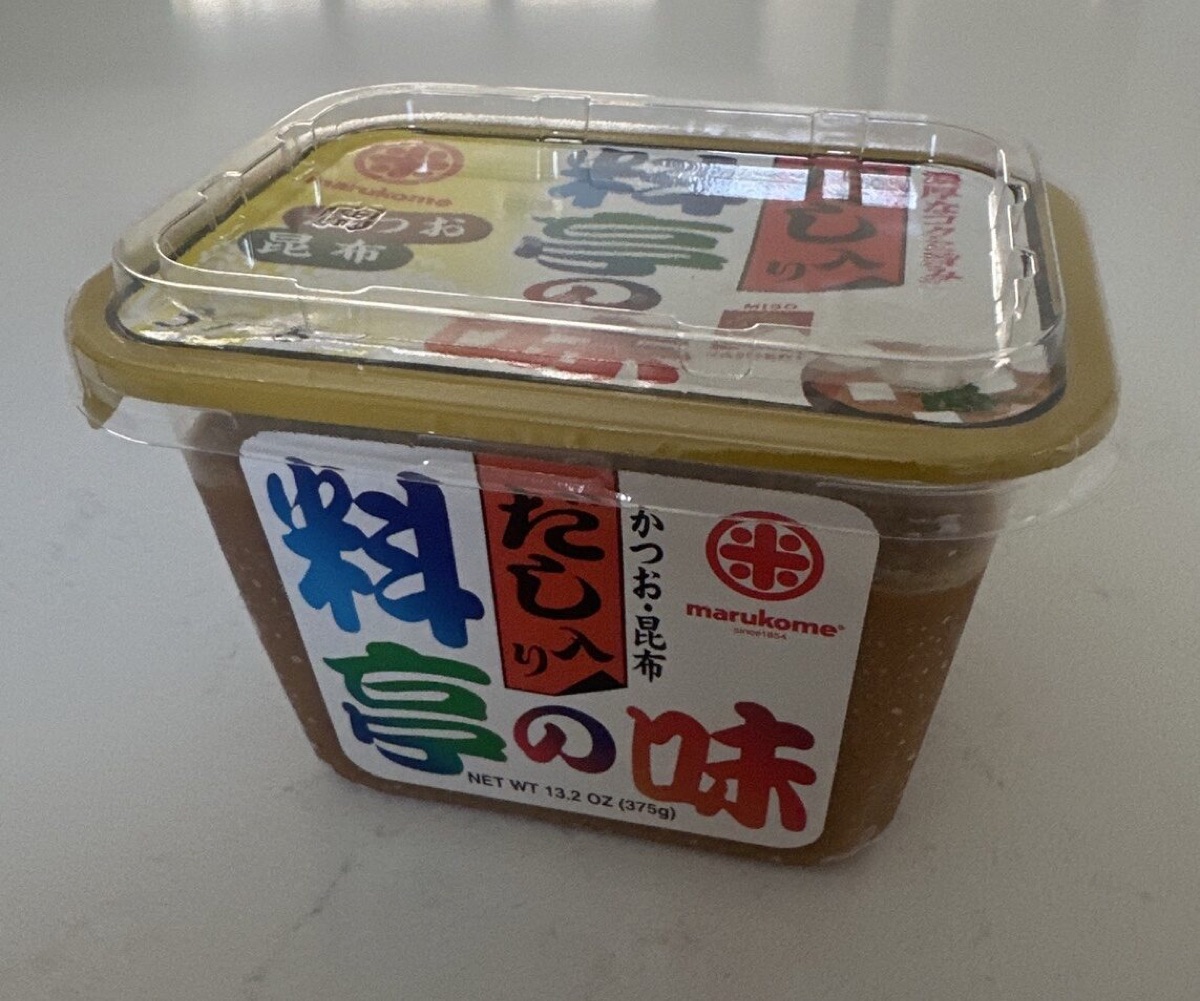
Package photo: miso via Open Food Facts (CC BY-SA 3.0); resized for display.
There are pale varieties, red varieties, and plenty in between. Labels may mention rice, barley, soybeans, or a blend. Different regions also have their own familiar styles.
Paler miso is often milder or sweeter, while darker miso may have a deeper and saltier flavor. But these are only general clues. Every product is a little different.
There is no single correct choice.
Trying an unfamiliar miso can be a small way to experience the everyday flavor of the area you are visiting.
A large tub is not the most convenient thing to carry around, so individually packed instant miso soup may be a better place to start. Variety packs are especially useful if you want to compare several flavors.
Small but interesting
Small seasonings worth trying
Not every interesting seasoning comes in a large bottle. Some of the easiest things to try—and take home—are found in small tubes, packets, and jars.
What to look for in the store
These four look very different on the shelf. Use the Japanese words below as your visual shortcut.
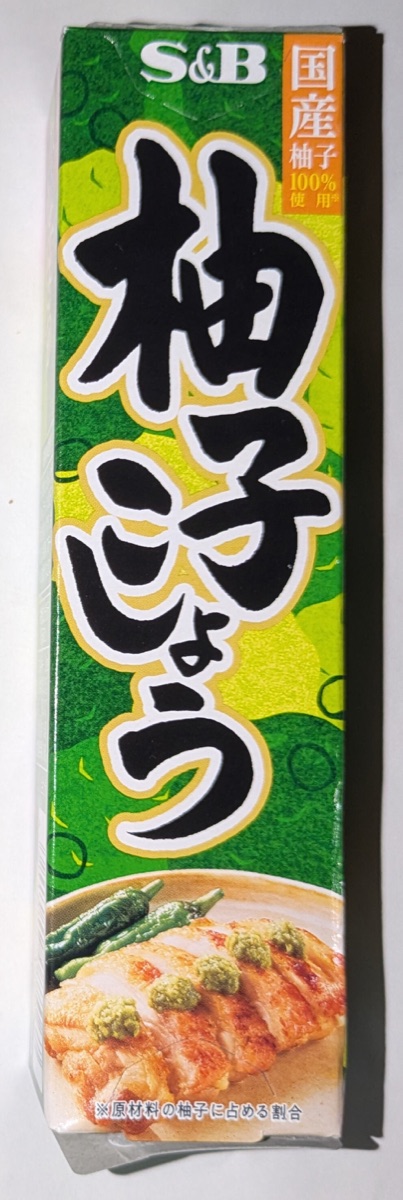
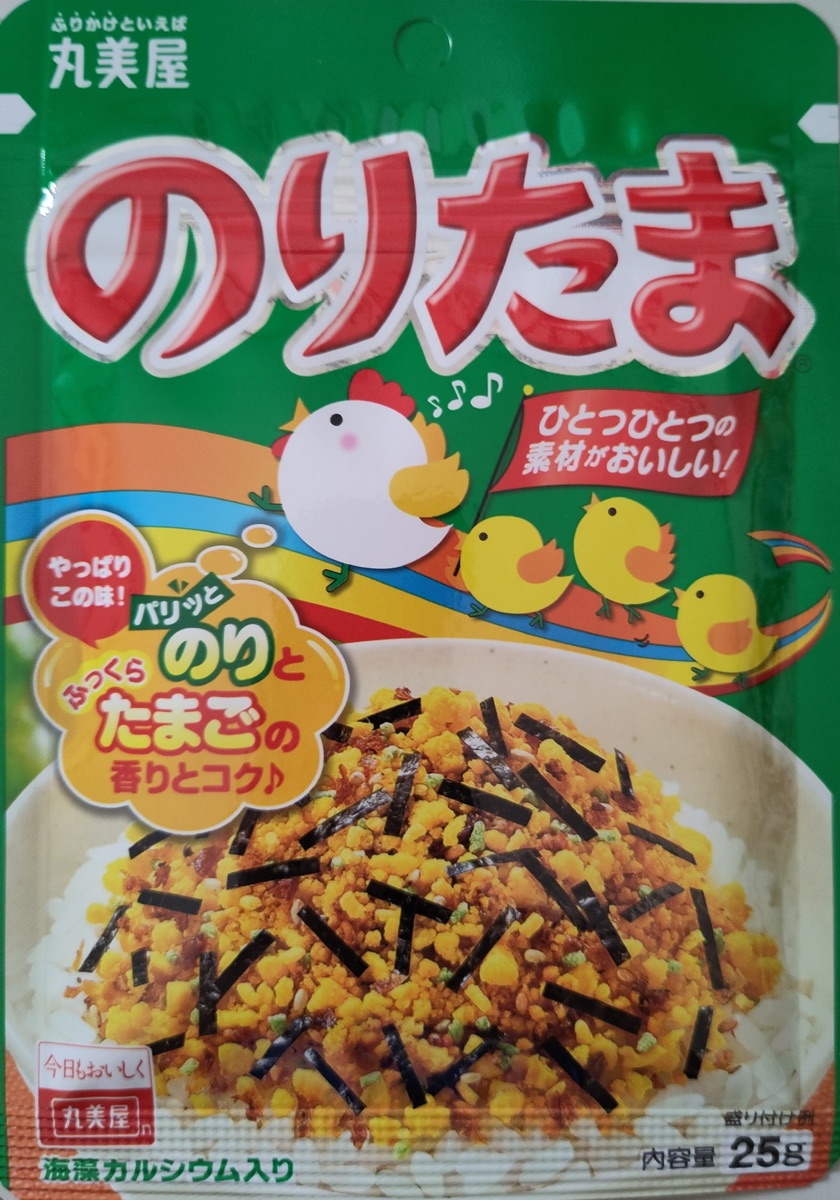
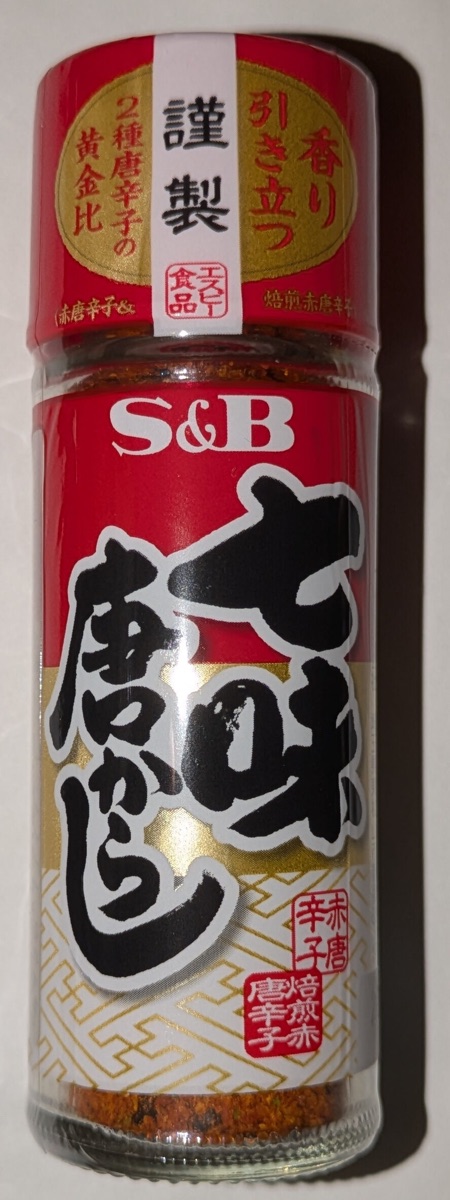
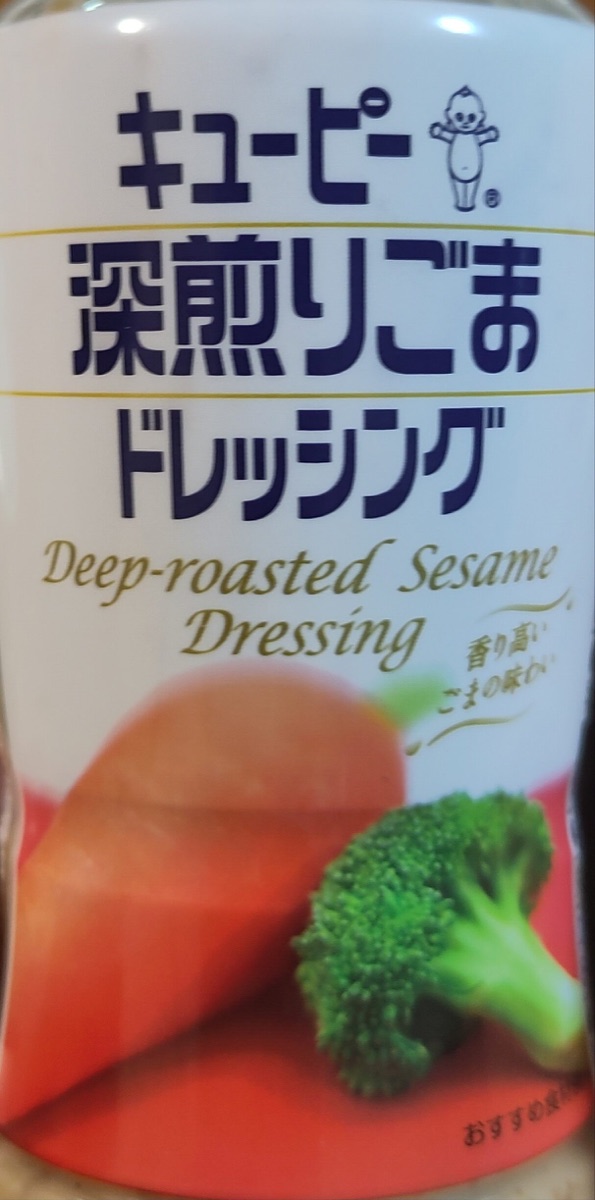
Package photos: yuzu kosho, furikake, shichimi, and sesame dressing via Open Food Facts (CC BY-SA 3.0); resized for display.
Yuzu kosho
Yuzu kosho is a concentrated paste made with yuzu peel, chili, and salt.
It is bright, fragrant, salty, and often hotter than it looks. Start with a very small amount.
Try it with grilled chicken, fish, hot pot, noodles, or soup. A tiny tube is enough to change the flavor of several meals.
Look for: 柚子こしょう or 柚子胡椒. It may be sold in a tube or a small jar.
Furikake
Furikake is a dry seasoning sprinkled over rice.
Supermarkets carry an enormous range of flavors, including seaweed, sesame, egg, shiso, bonito, salmon, and spicy varieties. Choosing one can be as much fun as using it.
The small packets are easy to try and easy to pack. Ingredients vary widely, though, especially when it comes to fish, seafood, egg, sesame, and dairy.
Look for: ふりかけ, often near rice, seaweed, or ochazuke packets.
Shichimi togarashi
Shichimi is a Japanese spice blend often used with noodles, soups, grilled food, and rice dishes.
It brings more than heat. Depending on the blend, it may include citrus peel, sesame, sansho pepper, seaweed, and other aromatic ingredients.
The containers are usually small, so it is an easy item to slip into your luggage.
Look for: 七味 or 七味唐辛子. Start with one light shake.
Sesame dressing
Japanese sesame dressing is creamy, nutty, and usually a little sweet.
It is mainly sold as a salad dressing, but it is also good with chilled tofu, steamed vegetables, noodles, and prepared meat.
It may not look like the most unusual product on the shelf, but it is one of the easiest to use immediately.
Look for: ごま or 胡麻 on the dressing shelf.
Try it during your trip
You do not need a kitchen
A few easy hotel combinations are:
- Chilled tofu with ponzu
- A supermarket salad with sesame dressing
- Plain rice or an onigiri with extra furikake
- Prepared chicken or fish with a tiny amount of yuzu kosho
- Instant miso soup made according to the package instructions
This is also where the difference between a supermarket and a convenience store becomes more noticeable.
Convenience stores are excellent when you want one complete meal immediately. Supermarkets usually give you more choice: several kinds of tofu, larger seasoning sections, regional products, and more ingredients you can combine yourself.
What is easy to take home
A large glass bottle may look tempting on the shelf, but it is not always the easiest souvenir.
Packets, tubes, dry seasonings, dashi bags, and individual soup portions are lighter and easier to pack. They also let you try several flavors without committing to a full-size product.
Easy places to start include:
- Dashi packets
- Furikake
- Shichimi
- A small tube of yuzu kosho
- Instant miso soup
- Small bottles of ponzu or mentsuyu
Before packing food: Check the ingredients and storage instructions before buying. Airline rules for liquids and customs restrictions also vary, especially for products containing meat, fish, or fresh ingredients.
You do not need to understand every bottle
The seasoning aisle becomes easier once you recognize a few basic roles.
Dashi builds the foundation. Soy sauce adds saltiness and depth. Mirin brings sweetness and shine. Cooking sake supports the dish in a different way. Ponzu adds citrus and acidity. Mentsuyu and shirodashi make everyday cooking faster. Miso has an entire world of flavors of its own.
Everything else can remain a mystery for a little longer.
Finding something you cannot immediately identify does not mean you have failed to understand Japan.
It is part of the fun of exploring an ordinary supermarket in a place you are still getting to know.